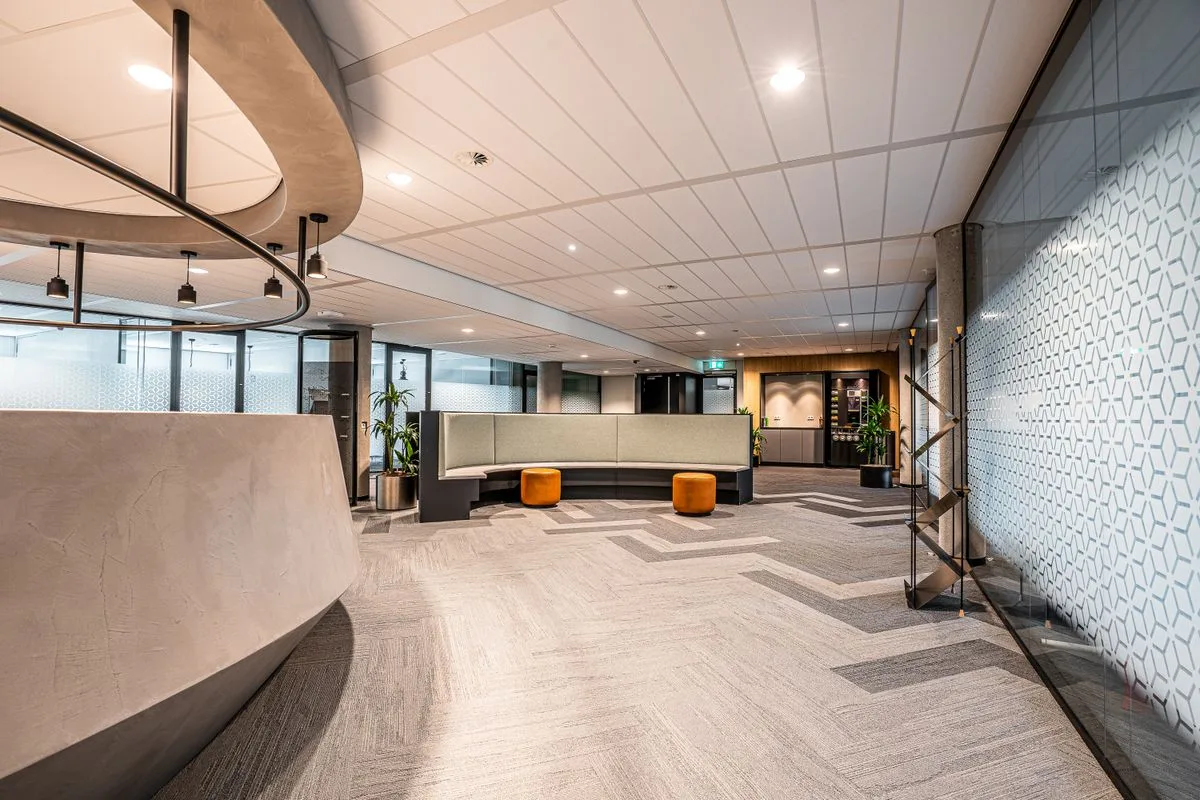
Commercial interior fit-outs look deceptively manageable on paper. A fixed scope, a defined floor area, a handed-over shell, it should be straightforward. And yet, the majority of fit-out projects in India run over time, over budget, or both. In our experience managing fit-outs across Bangalore, Hyderabad and Mumbai, the root causes are almost always the same five mistakes.
1. Design freezes that aren't really frozen
The most expensive line item on any fit-out is post-award design changes. When the architect changes the ceiling grid after the MEP contractor has submitted fabrication drawings, you are no longer managing a project, you are managing chaos. The fix is brutal contractual discipline: define a design freeze date, make design changes post-freeze a formal variation order process, and charge accordingly.
2. MEP coordination starting too late
MEP, mechanical, electrical and plumbing, accounts for 35-45% of fit-out cost and nearly all of the sequencing complexity. When MEP coordination starts after civil finishes begin, you get compression: trades fighting for ceiling space, rework, and the kind of delays that can push handover by weeks.
Best practice: MEP coordination should begin at the design stage, not the construction stage. A BIM-based clash detection exercise before any work begins pays for itself many times over.
3. Underestimating statutory approvals
Fire NOC, lift NOC, completion certificate, power sanction, every approvals process takes longer than the contractor estimates. Projects that plan for four weeks of approvals routinely end up waiting twelve. The trick is to start approvals tracking the moment permits are identified, not when construction is nearly done.
4. Single-vendor dependency on long-lead items
Glass partitions, raised flooring systems, HVAC equipment, these are the items with eight to fourteen week lead times. When the project has a single approved vendor for each and that vendor slips, there is no recourse. Maintaining at least two approved vendors per long-lead category provides negotiating leverage and a genuine fallback.
5. No independent QA on snag lists
In-house snag lists done by the contractor's own team are wishful thinking. Independent QA at practical completion catches issues before the client ever sees them, and significantly reduces the duration and cost of the defects liability period. At PPMC, independent QA at handover is non-negotiable on every fit-out assignment we manage.
"The best time to prevent a fit-out delay is at design stage. The second best time is now."